
BEST CHOICE:
 Male & Female
(Paramount; Cecil B. DeMille)
EXTANT


BEST CHOICE:
Male & Female
 A melodrama about con artists who find God while trying to fleece a faith healer, The Miracle Man spoke to a post-war nation clamoring for some old time religion, before the Aimee Semple McPherson scandal weakened the tent revival movement later in the decade. In the meantime, movies like The Miracle Man, which demonstrated how faith could move mountains, healing those sick in mind, body, and soul, proved extraordinarily popular with a grieving public hungry for evidence of a higher power at work in the world.
  Directed by the gifted, forgotten George Loane Tucker, The Miracle Man was, without question, the film of the year, accorded pride of place by The New York Times in its annual ranking of the year’s best movies, and no doubt would’ve practiced some laying on of hands had Oscars existed at the time. Though lost now, the movie’s most celebrated sequence, in which Lon Chaney’s fake cripple feigns an on the spot ‘recovery,’ only to behold this sham trigger a chain reaction of genuine miracle cures, survives, which is fortunate since, by all accounts, it was the film’s dramatic highlight. But to declare The Miracle Man Best Picture of 1919-20 based solely on an excerpt would, I fear, be taking the film’s virtues on faith alone. The year that ushered in the Roaring Twenties was, appropriately, also the one in which American movies discovered sex. Emerging from a prolonged adolescence, Hollywood suddenly found it permissible, in the freer, post-war climate, to deal irreverently with once sacred cows such as marital incompatibility and infidelity. In response, outraged civic and religious leaders, already condemning the movie colony’s loose morals, threw their support behind safe, sanitized family fare as healthy alternatives to the seemingly unstoppable sin tide washing across the country’s screens. All the more reason for Oscar to have honored The Miracle Man, which presented the industry in the best light possible by proving how morally uplifting movies could be.
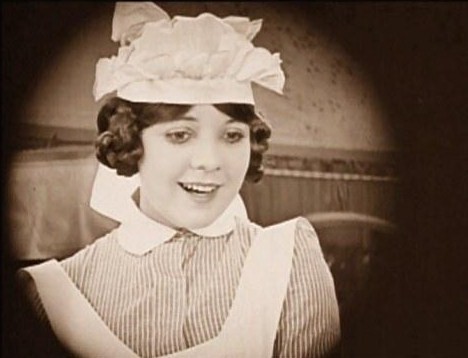 Blind Husbands, The Virgin of Stamboul, and the brazenly titled Sex, all exotic, provocative films with a high erotic quotient, were among the other pictures generating comment. Even Cecil B. Demille found it prudent to change the name of an established literary property like James M. Barrie’s The Admirable Crichton, to the far racier Male and Female when bringing it to the screen. My choice for Best Picture, Male and Female caused a sensation when released, becoming, along with Erich von Stroheim’s Blind Husbands, the most polarizing picture of the year. It also starred Paramount contract player and The Miracle Man’s lead Thomas Meighan, this time around as a butler who takes pleasure in turning the tables on his aristocratic employers. Loam House, London is sharply divided along class lines. Upstairs resides the nobility, Lord Loam (Theodore Roberts), his daughters, Lady Mary (Gloria Swanson) and Agatha (Mildred Reardon), and their cousin, the Honorable Ernest Woolly (Raymond Hatton). Downstairs, in the servants’ quarters, toils their staff. Tweeny, the
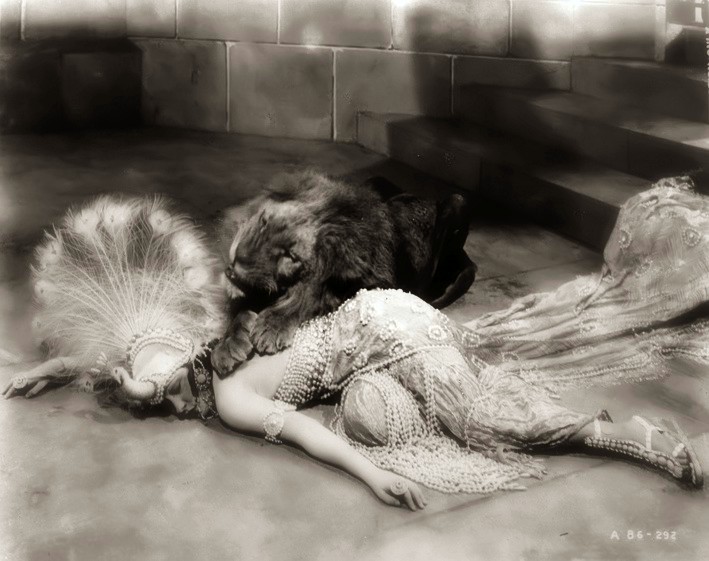
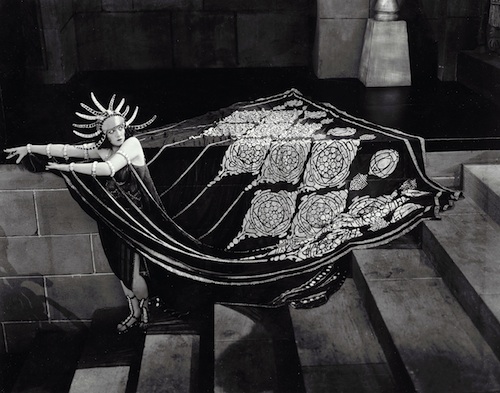
 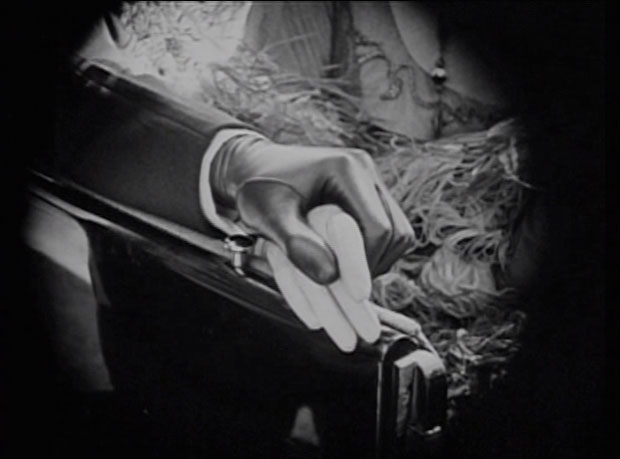 scullery maid (Lila Lee), is in love with the butler, Crichton (Meighan), but he’s too besotted with his mistress to pay her any mind. For her part, Mary, on those occasions when she deigns to acknowledge the butler’s existence, takes the opportunity to upbraid or belittle him. When her friend, Lady Eileen (Rhy Darby), confides that she’s in love with her chauffeur, Mary is aghast at the idea, scoffing “it’s precisely as if I were to marry Crichton.” During a cruise, the Loams and their servants are shipwrecked on a desert island. When the other castaways prove incapable of fending for themselves, Crichton takes command. Mary is initially hostile, but soon softens toward her masterful butler, even sparring with Tweeny for his attentions. After saving Mary from a leopard, Crichton relates the legend of a Babylonian king who threw the Christian slave he loved to the lions, and was doomed thereafter to serve her down through the ages. Now social equals, the two decide to marry, but during the ceremony a rescue ship is spotted.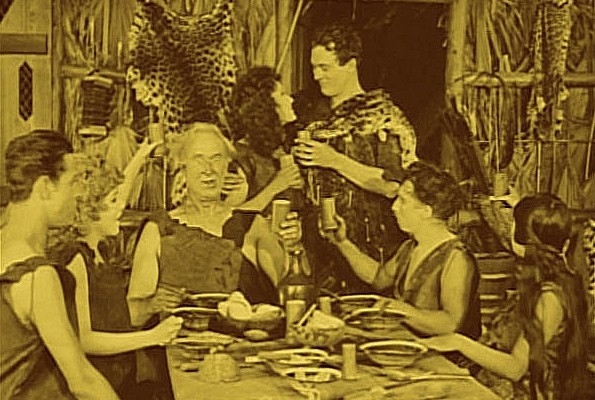
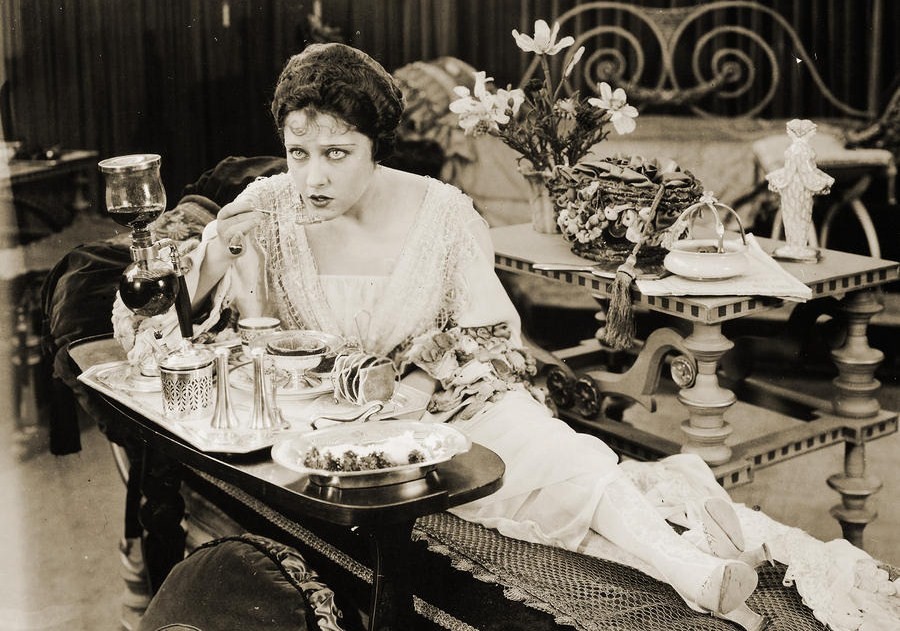

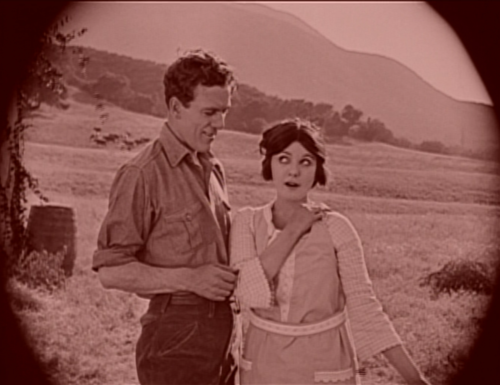 But despite the movie’s apparent leftist slant, Demille remained a staunch conservative and naively positions America at the conclusion as a classless democracy where Crichton can find contentment. To further diffuse any potentially incendiary stance, Male and Female’s focus is shifted from social to sexual politics. As its title would suggest, Male and Female is less about class warfare than the battle of the sexes, and it was this shift in tone that likely prompted the name change, rather than an apocryphal studio head, as Hollywood legend would have it, fearing ticket buyers would mistake the “admirable” Crichton for the “admiral” Crichton, at a time when sea pictures weren’t selling. Demille had touched on the theme of gender role reversal in his earlier Joan the Woman, but with Male and Female he really brought it to the fore. We’re proffered a picture in which women, while presumably created as man’s inferior, have in fact assumed a station in society superior to his own. Conversely, soft living has emasculated the men of Male and Female. As butlers, houseboys, chauffeurs, etc., they’re left to perform all the menial domestic duties traditionally relegated to the weaker sex. This is a topsy turvy world, in which modern civilization has become the exclusive province of the frivolous and feminine, and society’s most industrious, resourceful, pragmatic, hard working, noble man is not an aristocrat but a butler. Everything’s already upside down, so the turnabout on the island is actually setting things to rights.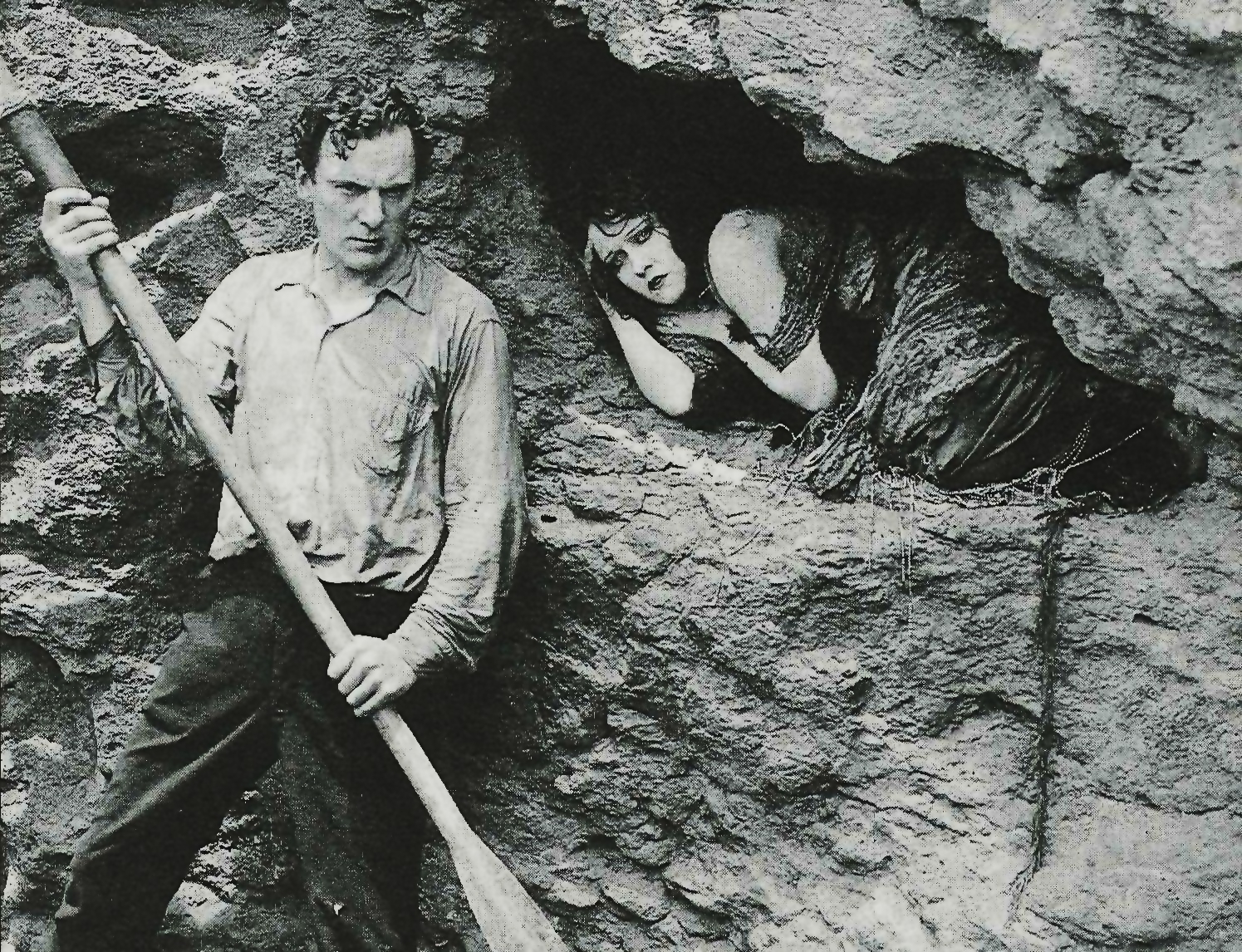
 This fantasy island, with its unlikely mélange of flora and fauna, doesn’t appear far removed from Neverland, that enchanted realm whimsical Scottish author James Barrie dreamed up for Peter Pan. In actuality, however, it’s meant to be taken as Paradise rediscovered, a new Eden, where life can be lived in the raw, away from the corrupting influence of civilization, closer to the soil and traditional bedrock values. Just as unbelievers were converted by contact with The Miracle Man, the island here exerts a transformative influence on all concerned. Each castaway is changed for the better. Lord Loam, initially as sedentary as that ancient tortoise he mistakes for a pillow, becomes alert and spry, the feckless Agatha more useful and practical, foppish Woolly learns the value of a hard day’s work, while featherbrained Tweeny develops a mind of her own and starts thinking for herself.
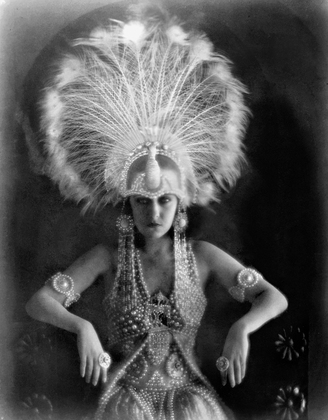
 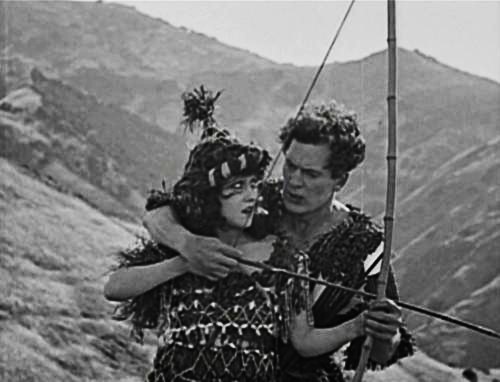 The biggest sea change, however, occurs in Mary. Over the course of her island stay this vainglorious peacock, all fuss and feathers beforehand, becomes progressively less spoiled and helpless (she now spears pheasants for food, the hunted has become the hunter). Most importantly, Mary becomes less class-conscious. In London, she had cautioned her friend against marrying beneath her with “Would you put a Jackdaw and a bird of paradise in the same cage? It’s kind to kind Eileen – and you and I can never change it!” By movie’s end, in an echoing scene, her narrow, snobbish views have undergone a radical revision. Now able to understand and sympathize with fellow feeling, she urges her friend to follow her heart, regardless of all impediments, “If you really loved him it wouldn’t matter if he were king or chauffeur.”
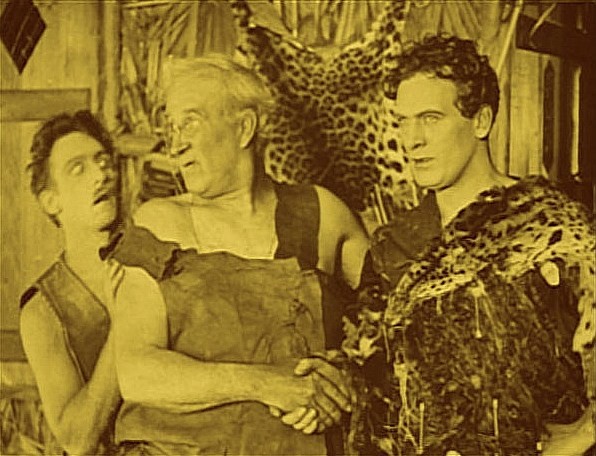 Washed up on shore, all are stripped of their class, rank, status, titles, and again set on equal footing, allowing those best equipped by nature, to rise to the top. As Crichton philosophically forecasts, with just a slight rumbling of class resentment, “one cannot tell what may be in a man, my lady. If all were to return to Nature tomorrow, the same man might not be master – nor the same man servant – Nature would decide the matter for us!” It’s the natural world, rather than society, that offers the more valid assessment of a man’s true mettle. This is natural selection, Darwinism at work. Male and Female also offers some wry observations on the immutability of human nature. Even in this new Eden, the social equivalent of original sin will rear its head. What begins as a co-op becomes a stratified monarchy to mirror the one left behind. By the second anniversary of the shipwreck, Crichton has “firmly established his kingship,” and is waited upon hand and foot, precisely as Mary had been back home. Eventually exiled from paradise, he’s well aware of what caused his fall. “There was just as little equality on the island as elsewhere,” he ruefully recalls, “I didn’t even take my meals with the family!”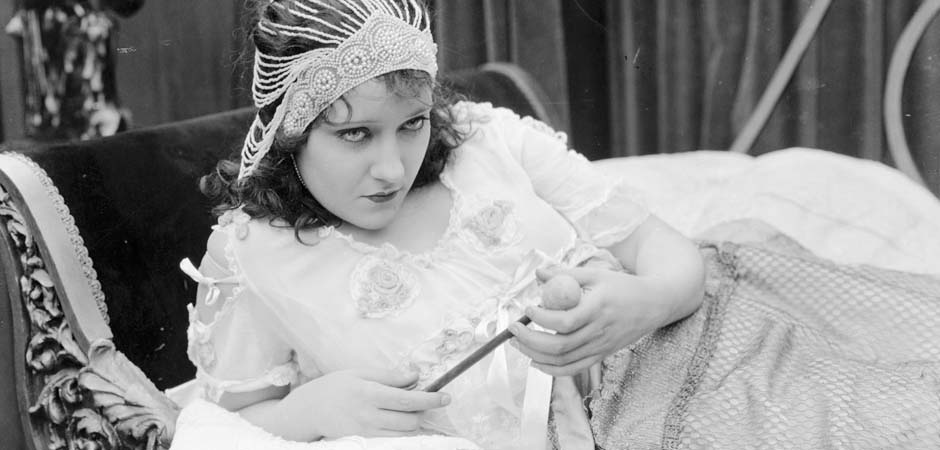
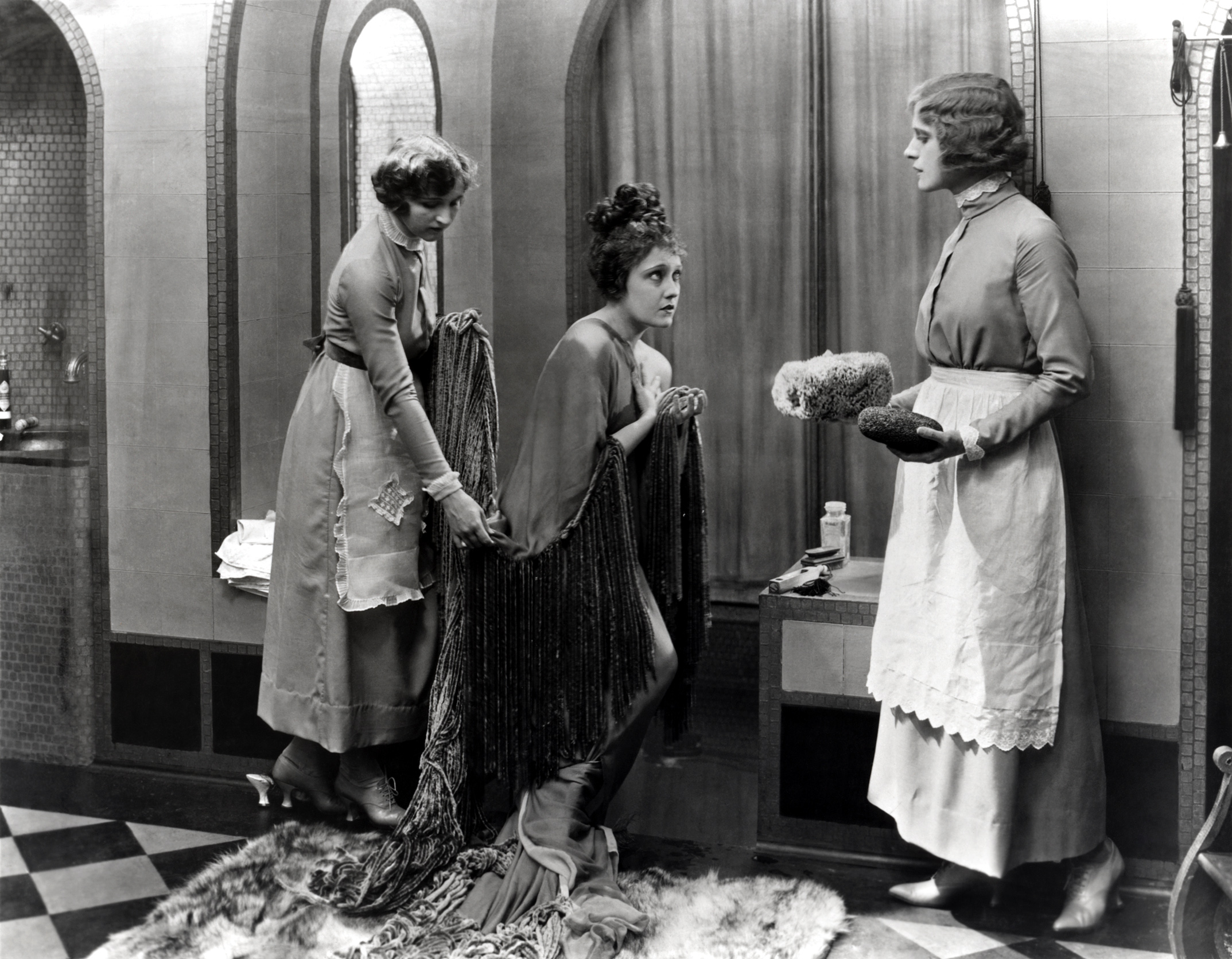
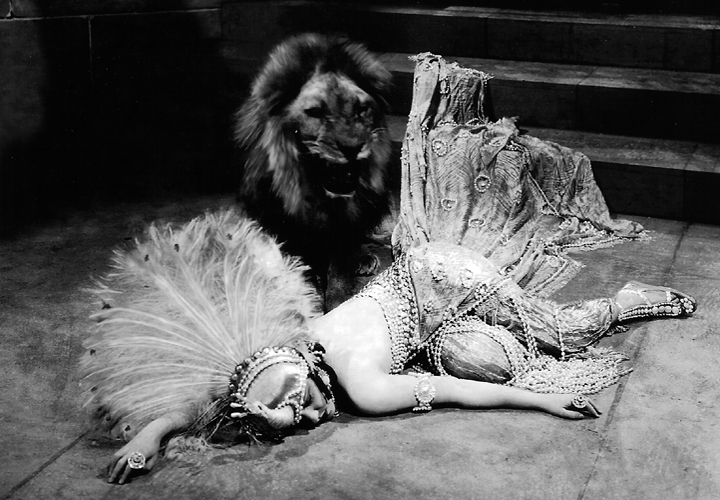
 Just as The Miracle Man made major stars of its principal players, Thomas Meighan, Betty Compson, and Lon Chaney, Male and Female boosted the careers of its three main leads as well. Meighan, Swanson, and Lila Lee would all go on to major stardom in the coming decade. The supporting cast, headed by Demille regulars Theodore Roberts and Raymond Hatton, is also uniformly fine, but this is Swanson’s showcase all the way. Male and Female is the most flattering vanity piece the director would mount for his greatest star. When Demille waxes nostalgic about the young Norma Desmond in Sunset Boulevard, I’d wager he’s specifically recalling Gloria Swanson in this film. All synthetic and sybaritic, the two together reach the limits of artistically licensed insanity. Demille may not have been a cinematic visionary like Griffith, but he was ahead of the curve in all the garish, gaudy ways that make his colossally campy movies such guilty pleasures to watch now. Hokum of the highest order, Male and Female remains among the most unabashedly entertaining of all silent movies.
 CRAFT D MOVIE CRITIQUES