

BEST CHOICE:
Donald Crisp
 (Broken Blossoms)
EXTANT


BEST CHOICE:
Donald Crisp
(Broken Blossoms)
 The possibilities for Supporting Actor of 1918-19 would appear to be all over the map, with no clear through lines. Henry Harmon recreated his stage role to acclaim in Alla Nazimova’s screen adaptation of her stage play Ception Shoals, retitled Out of the Fog. While child star Ben Alexander, so good as the littlest brother in Griffith’s Hearts of the World the previous year (he would grow up to play one of the doomed soldiers in 1929-30’s Best Picture All Quiet on the Western Front), had two notable parts. He was in both The White Heather, Maurice Tourneur’s adaptation of an old Drury Lane thriller highlighted by innovative underwater photography, and The Turn in the Road, which established King Vidor’s critical reputation as a director worth watching.
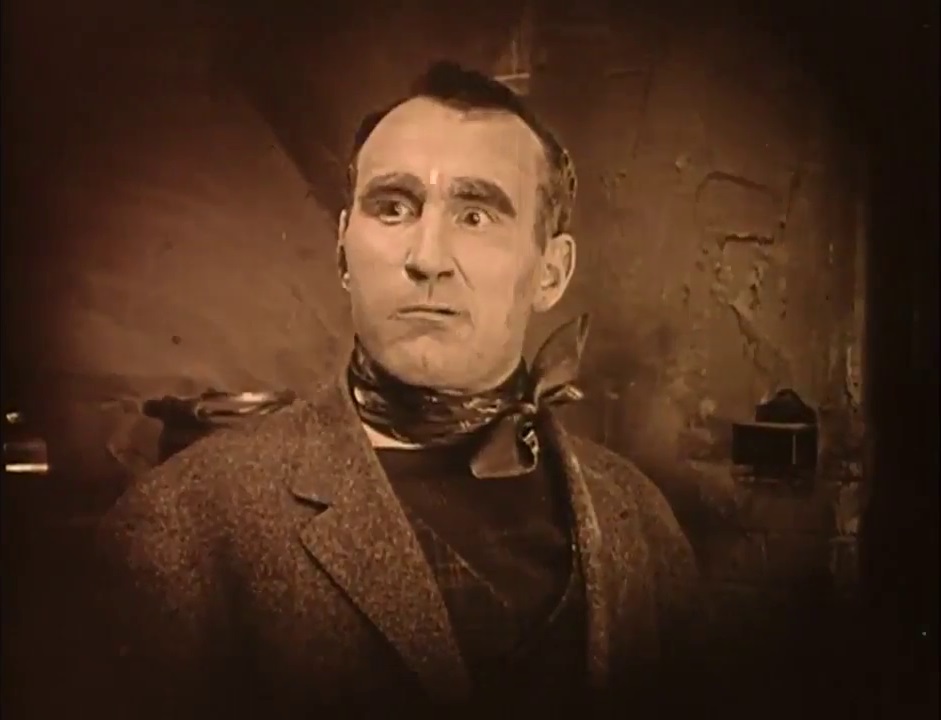
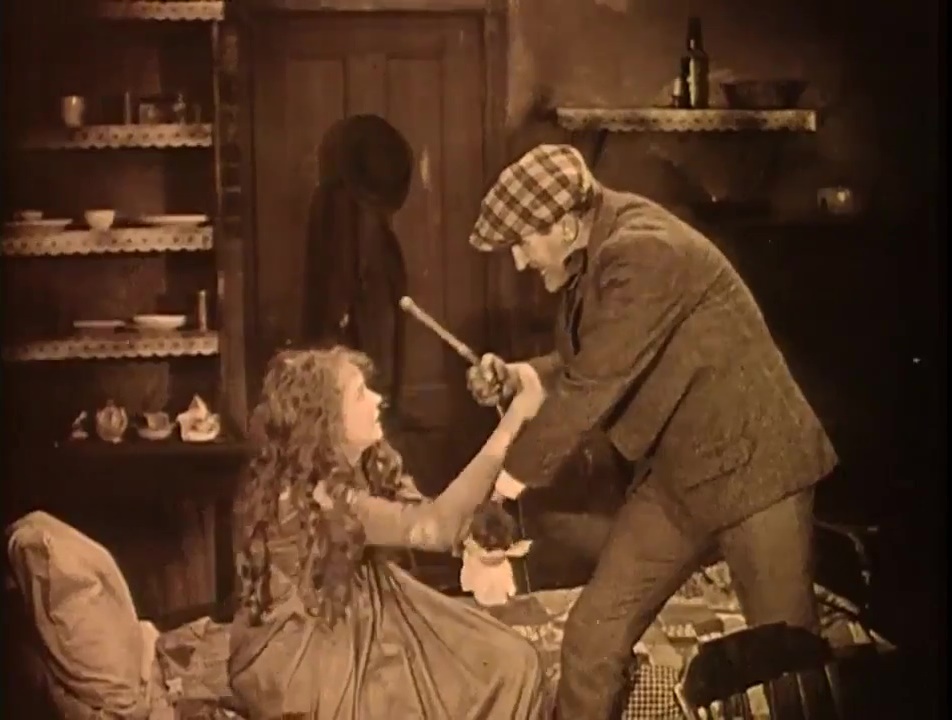
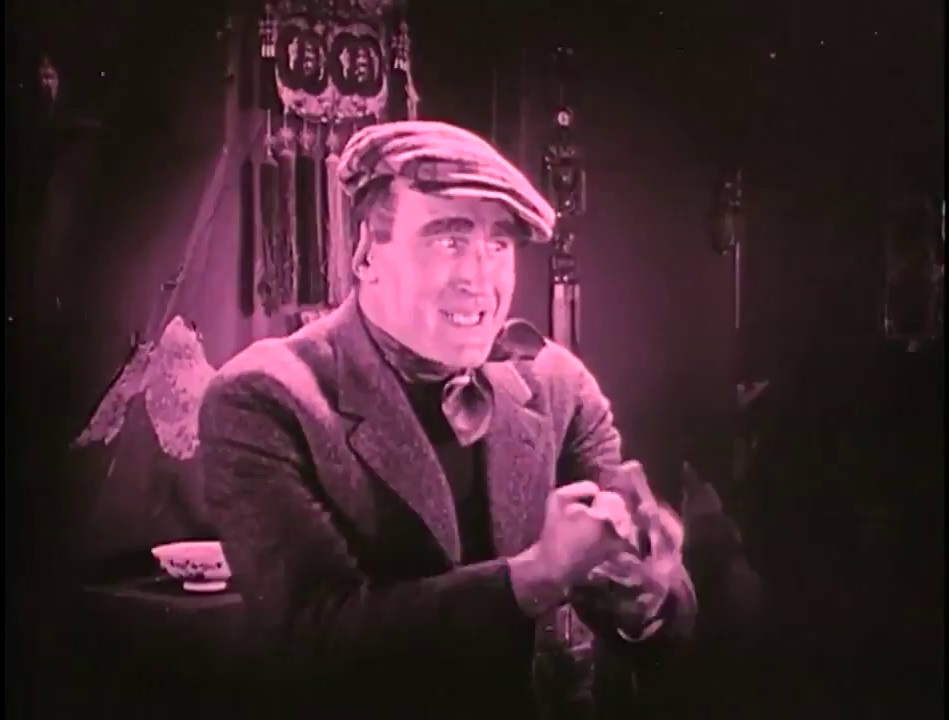 This was also the year obscure Universal character actor Lon Chaney got his first big break, when he was selected by star William S. Hart to play his nemesis in Riddle Gawne. An unusual Western with an emphasis on character study, that allowed its leads to age over time, the role afforded Chaney an unparalleled opportunity to show off the makeup skills that would soon put him in such high demand. But hands down, my choice for Supporting Actor is Donald Crisp, who gave a ferocious, frightening, larger-than-life performance as the abusive prizefighter father in Broken Blossoms. Critical praise for the D.W. Griffith film was such that Crisp may have actually been carried along to a win on the strength of the film’s popularity. Either way, he deserved to be considered the year’s Best Supporting Actor.
 Cheng Huan (Richard Barthelmess), he tracks her down and kills her. After which the pacifist Huan, returning home to find his place wrecked and Lucy dead, shoots Burrows. Crisp never really became a big character draw during the silent era, despite consistently good work, and other standout parts in swashbucklers like Douglas Fairbanks’ The Black Pirate, amusingly playing off his supposed Scottish roots, and later, again in color, as Leif Ericsson in The Viking. Until sound came in, he divided his time between acting and directing, being responsible for such disparate titles as the first feature-length version of Ramona (in 1916), the Fairbanks’ sequel Don Q, Son of Zorro and Buster Keaton’s slapstick masterpiece The Navigator. In fact, as Richard Schickel notes in D.W. Griffith: An American Life, Broken Blossoms was completed “with considerable night work, necessitated by the fact that Crisp, who was directing a film at another studio at the time, could work only after normal hours and on weekends.”
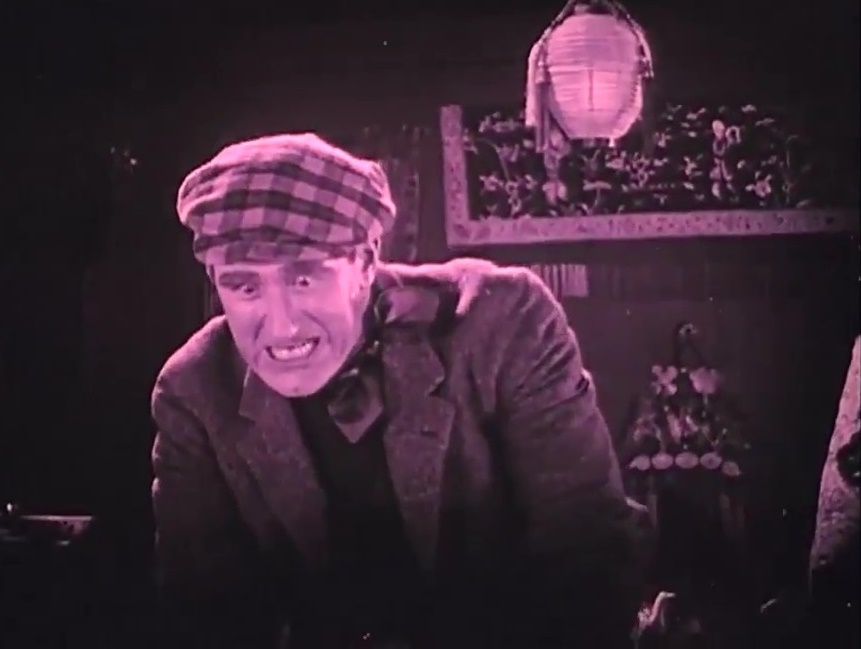 Ironically, during Hollywood’s Golden Age, the actor would go on to be closely associated with the patient, wise, understanding, kindly father figures he played with “soft-spoken intelligence,” (Richard Schickel, D.W. Griffith: An American Life), in such classics as National Velvet and MGM’s Lassie movies. Even winning a real supporting actor Oscar as the warm-hearted head of a strapping, Welsh coalmining family in the John Ford classic How Green was My Valley. So, as Edward Wagenknecht noted in his Movies in the Age of Innocence, “Those who have seen Donald Crisp only of late years will have some difficulty in recognizing him in Battling Burrows.” Indeed, silent movie lovers, upon stumbling across him in Broken Blossoms, will undoubtedly find Crisp’s role as the belligerent boxer a quite startling departure.
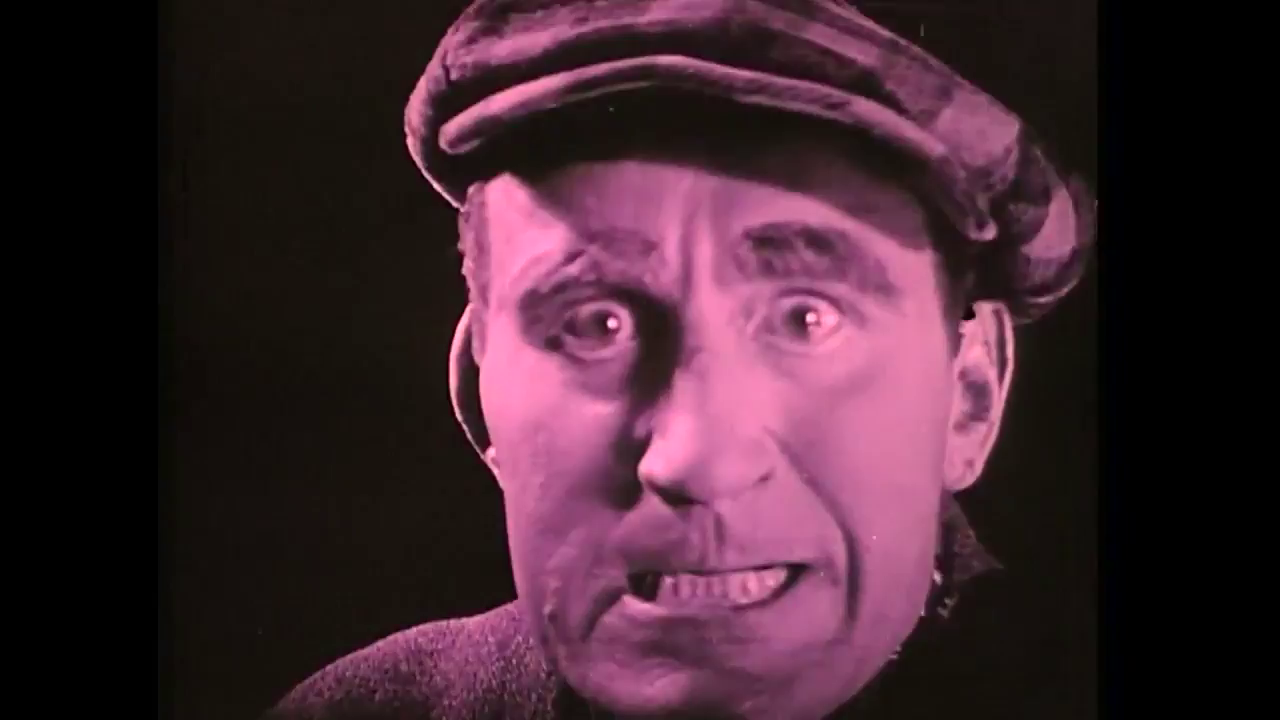
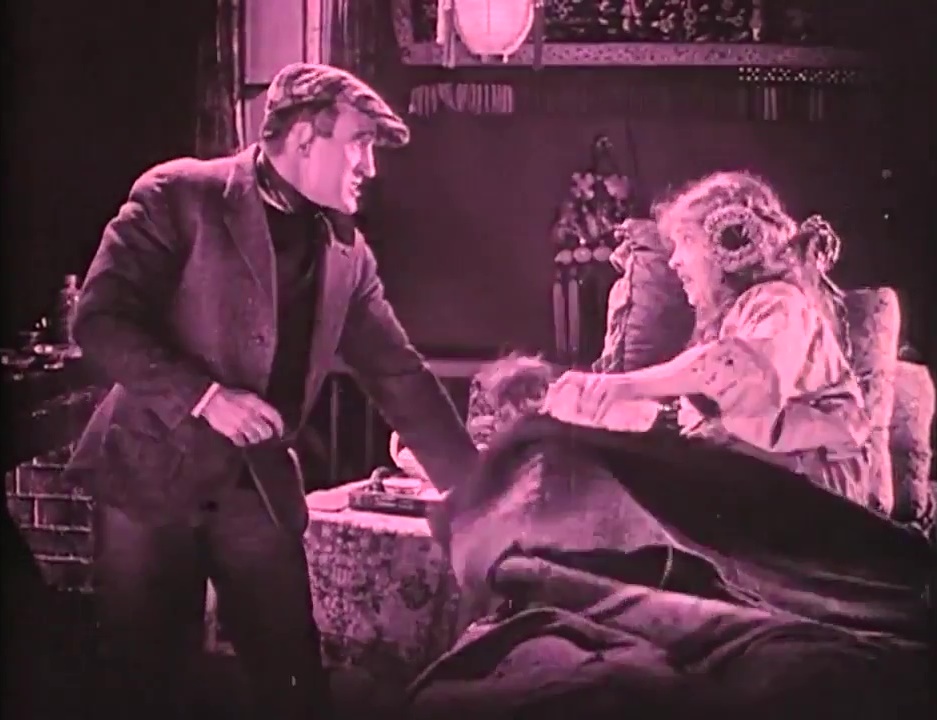
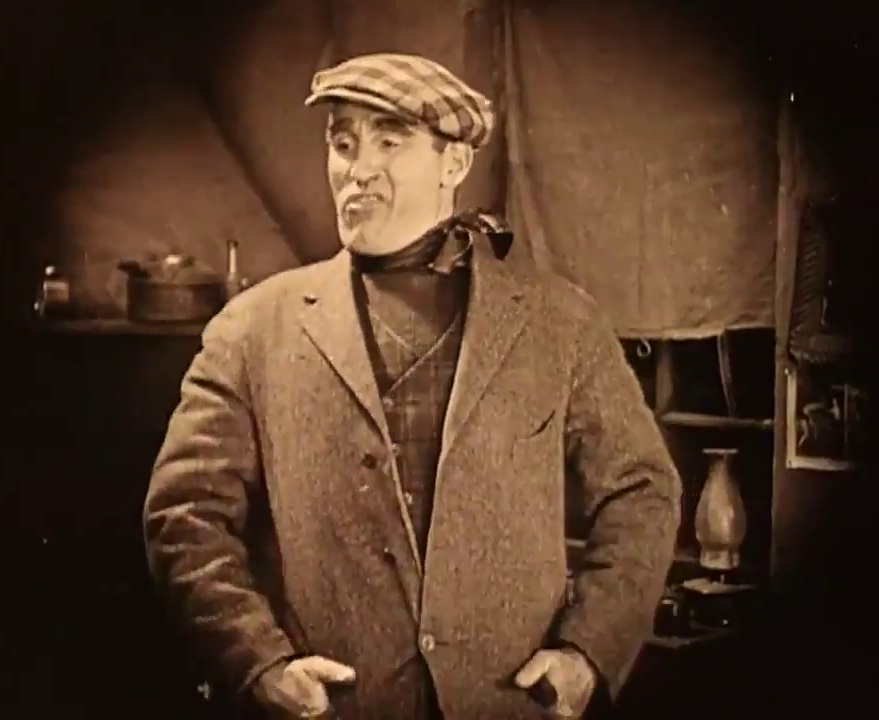 Occasionally Crisp suggests a mugging, self-satisfied Mussolini in the role, smugly subsisting in a world where might makes right. Pugnaciously striking his pugilistic poses, he swaggers about with his chest puffed out like a pewter pigeon, and thrusts forward his torso on tottering legs, in a way that anticipates later caricatures of James Cagney gangsters. In his checkered hat, kerchief, and sweater, he could easily be mistaken for one of Griffith’s Bowery toughs from his short The Musketeers of Pig Alley. Especially when he looms into an extreme closeup upon finding Lucy in Huan’s bed, recalling Griffith’s innovative use of such shots in that earlier film. However, as Kevin Brownlow points out in Behind the Mask of Innocence, it was the part of “Bull” MGee that Crisp had played in 1914’s lost The Escape, one of Griffith’s initial features, that had been the real dress rehearsal for his Battling Burrows.
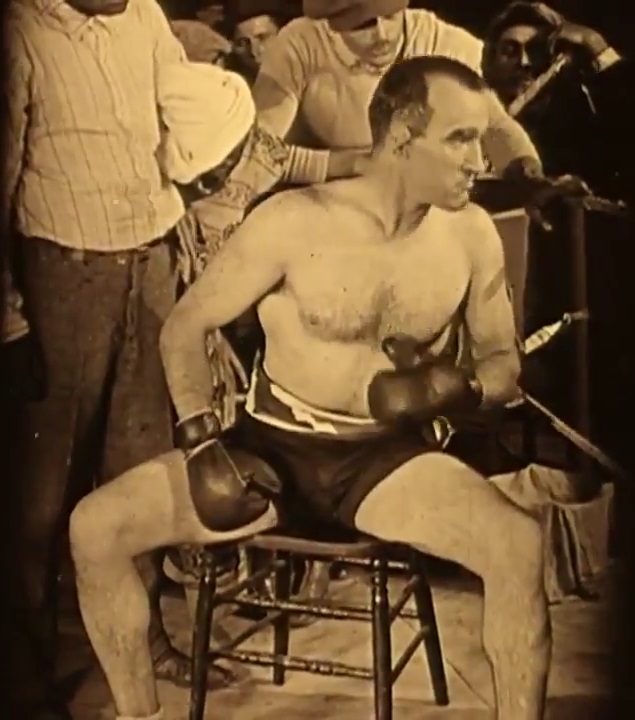
 A minor local celebrity, Crisp’s boxer is accustomed to holding the spotlight by dancing about the ring as though it were a stage. He’s a ham at heart who’s always performing for the boxing crowds who regard violence as entertainment. So, he considers his equally violent behavior outside the ring as tantamount to putting on a good show. One similar to the forced and unfelt expression of fatherly devotion he’ll feign before his pals, for appearance’s sake, when he learns of Lucy’s whereabouts in the Chinaman’s room. His boxing bouts are about as far from the courtly, Gentleman Jim sort, with aesthetically pleasing bobbing and weaving, as one could get. Instead, being brutal, sweaty, knockdown, drag ‘em outs that harken back to the blood sport’s bare-knuckle roots.
 A fighter by trade, Battling’s very livelihood consists of beating other people to a bloody pulp. Like Robert de Niro’s Jake LaMotta in Raging Bull, many years later, this violence has become a way of life to him, leaving him equally embattled in the ring as without. Only feeling like himself when engaging in fisticuffs, Battling is incapable of restricting his violent impulses to the confines of his prizefights. Spilling over the ropes, right out into the streets and byways, we see what his fight fans, who publicly laud him as a hero, don’t, as his mean streak continues unabated even away from the public’s gaze, resulting in him beating his young daughter the same way he does his boxing opponents.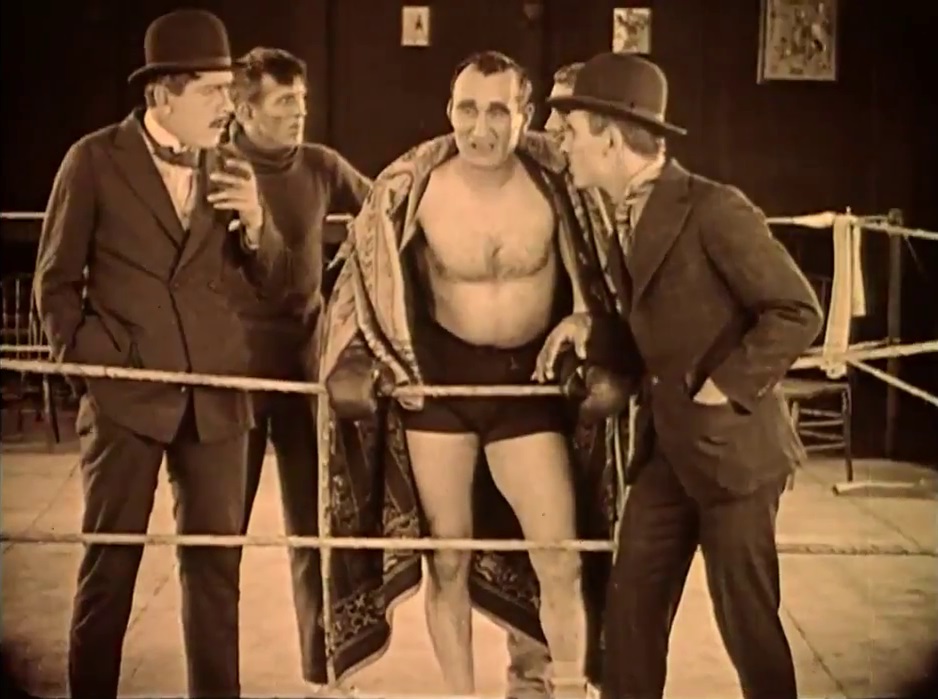
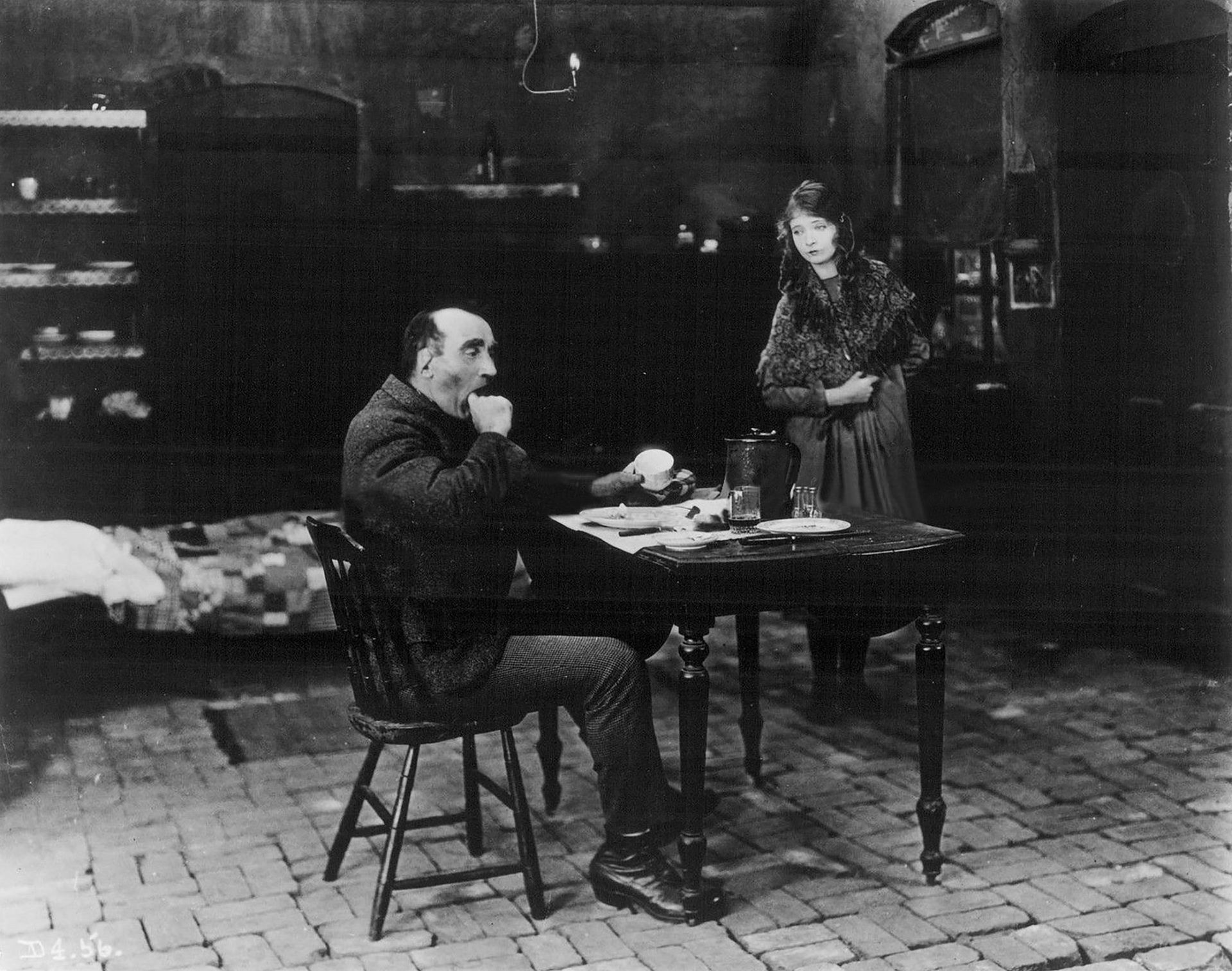
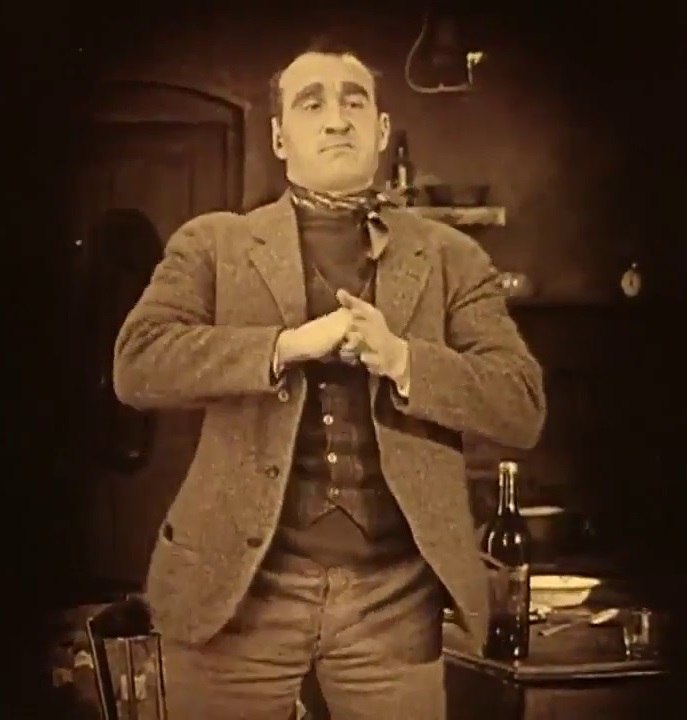 seriously doubt any man like Battling would have bothered to raise an unwanted baby left on his doorstep by one of his casual pickups, we can only assume he wanted a convenient punching bag about the house so he wouldn’t have to travel to the gym. As a title tells us, when his boxing “…manager’s complaint about drink and women puts Battling in a rage – he cannot take his temper out on him – he saves it for a weaker object,” with Lucy having become his designated target for hooks and uppercuts. Assuming a crouching posture, he’ll jab and shadow box, making it appear he’s engaged in sparring practice with her serving as unwilling partner. It’s unsettling watching the sadistic glee Crisp’s craven character clearly derives during these scenes of child abuse, relishing picking on this little girl who can’t defend herself, rather than someone his own size.
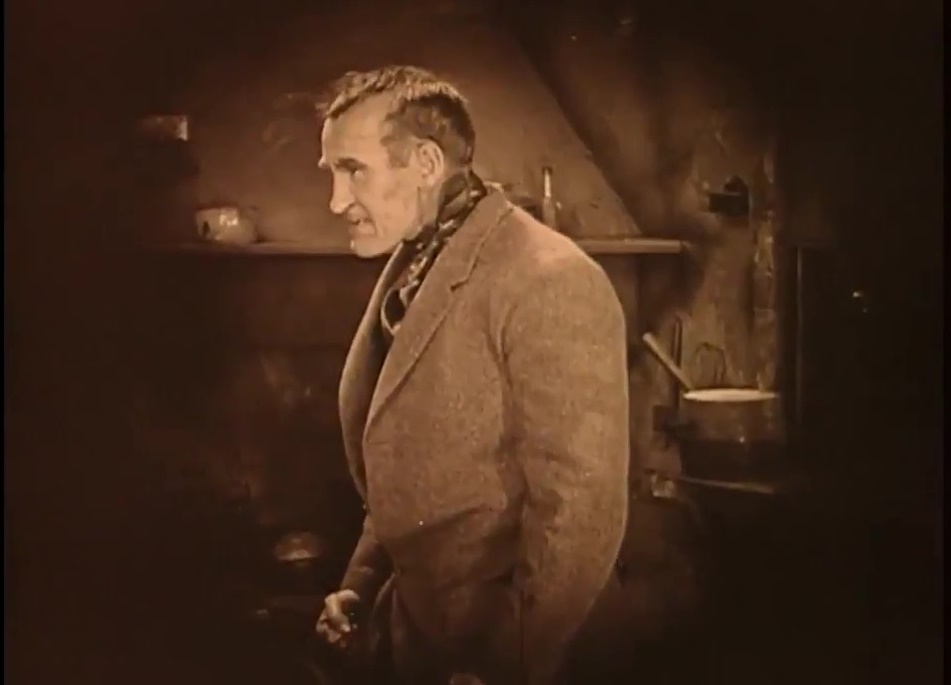
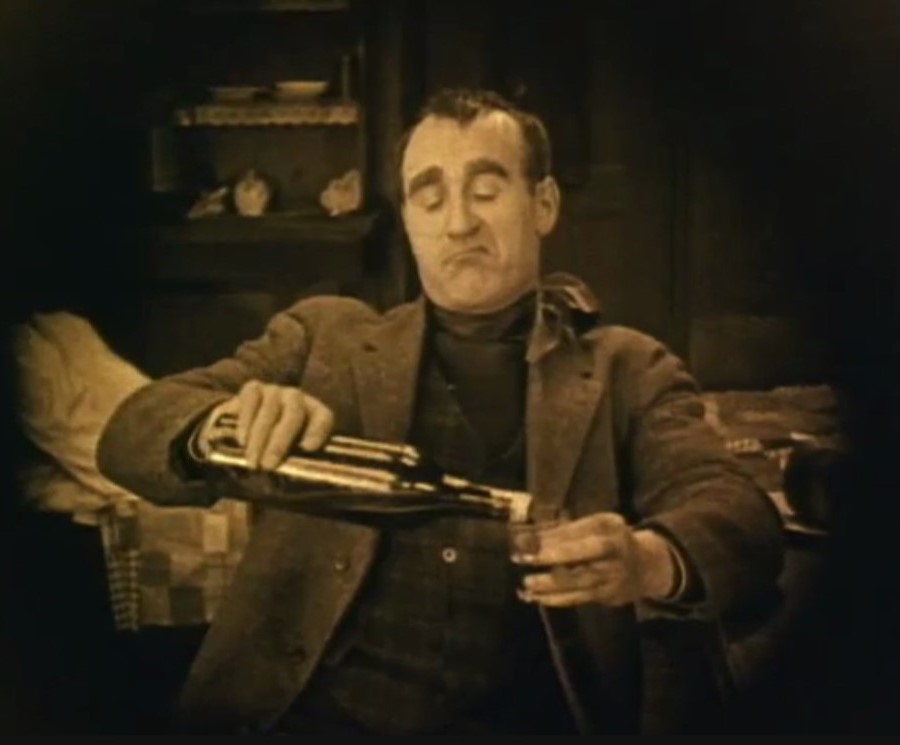 As far back as his caveman short about evolution, Man’s Genesis, Griffith had juxtaposed hulking, overbearing brutes like Battling with physically unintimidating, weaker men like Huan, in battles of brawn verses brain. Burrows is intended as a Darwinian throwback to the many other primitive savages found in the Griffith cannon, such as Brute Force, or the equally uncivilized, warmongering barbarians George Siegmann played in his epic spectacles. In Limehouse’s concrete urban jungle, rough, hairy beasts such as Battling are characterized more as animals, still living by the law of the wilds, with little further adaptation or development. Even the titles refer to such men in bestial terms with “Battling Burrows, an abysmal brute – a gorilla of the jungles of East London – gloating on his victory over the “Limehouse Tiger.”
 To enhance this impression, Crisp sports curling tufts of receding hair on the tops and sides, a cauliflower ear curled over from too much pummeling, eyebrows made heavier to give him a more pronounced, jutting brow, all while carrying himself with long arms he swings like a lowland ape. When he sits in his neutral corner of the boxing ring, his silhouette is suggestive of an old silverback, with his biceps and back inflated like bellows. He even wolfs down his food as if he were an animal, freely licking his plate and picking his teeth, foreshadowing Frederic March’s monkey-like Mr. Hyde, who would similarly feed his voracious animal appetites. This kind of coarse throwback having died out in mankind’s evolutionary past, the point the movie makes is that the unacceptable bent toward violence ‘Battling’ embodies has no place in our supposedly civilized, modern society.
 In The Films of D.W. Griffith, author Edward Wagenknecht wasn’t able to make up his mind about Crisp’s performance, saying “He plays with splendid force, and his handling of the chair and various articles of the table is masterly, but I cannot say quite the same for his “mugging.” But since the character he’s playing is always mugging, it’s unfair to accuse the actor himself of this. Burrows is an entertainer always playing for the crowds, even when alone, just as he never stops boxing, even when he only has his daughter as punching bag.
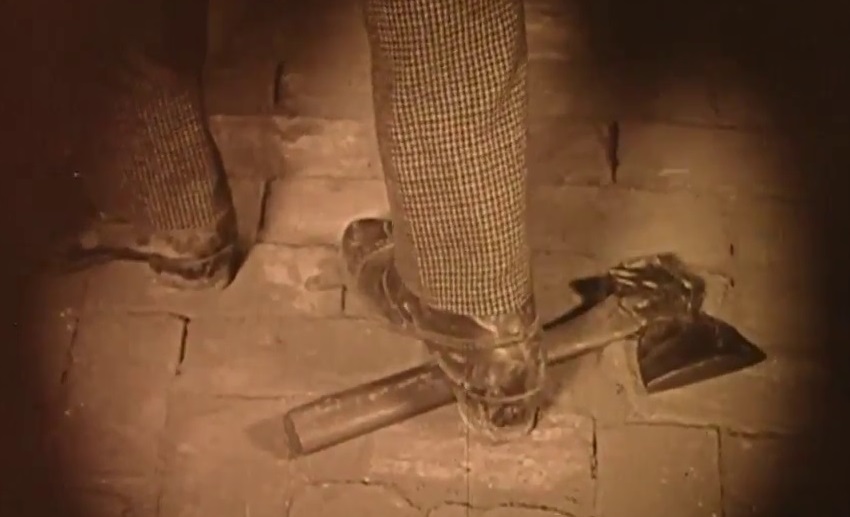
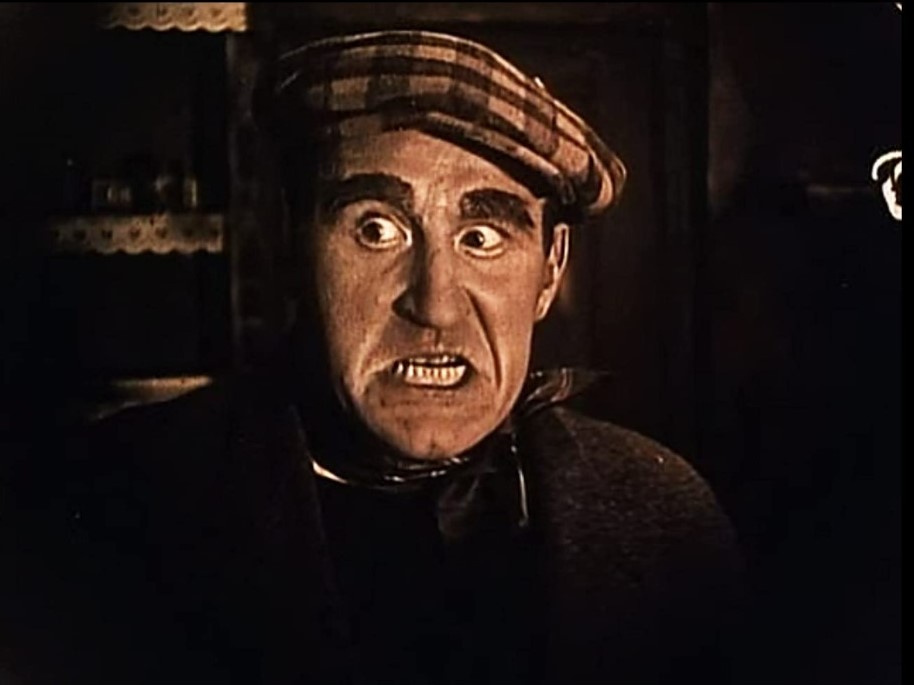 than life sense of menace. Burrows isn’t meant to be scaled down to realistic dimension, but a loutish figure out of florid Victorian literature, a grotesque of the most Dickensian kind. If Crisp had tried to play this part with subtlety, rather than barreling his way through the low hanging fog banks of London like Jack the Ripper, he wouldn’t have been nearly as effective or terrifying. His overbearing behavior must overwhelm and pummel the viewer into submission, same way he does his daughter, leaving audiences punch drunk so they can more strongly identify with her. When Battling chops down the door of the closet where a cornered Lucy’s taken refuge, smashing through, he might be some hair-raising figure in a horror film, Jack Nicholson in The Shining maybe, or the more contemporary Axe Man of New Orleans. If anything, audiences of the time must have been put in mind of George Siegmann’s sadistic Hun soldier from Griffith’s recent Hearts of the World, who similarly battered down a door at the end of that film, in his own determination to get at Gish.
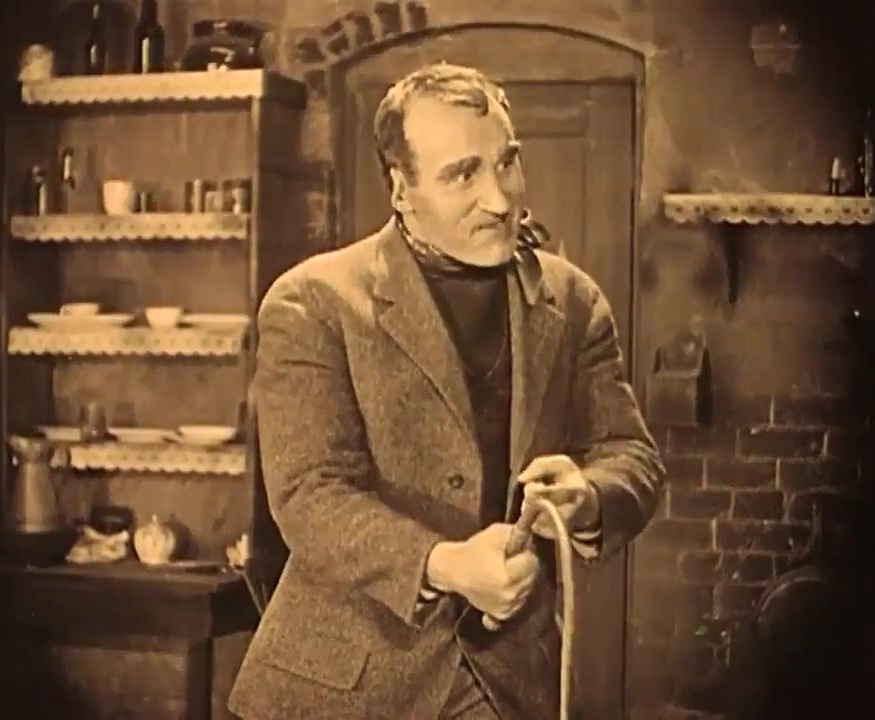 A loyal Englishman, born in Bow, a Cockney section of London’s East End, Crisp joined British Intelligence during World War 1, and hadn’t long returned from his stint serving when Griffith cast him in Broken Blossoms. So, it’s likely the director still associated the actor with the recent military campaign, in a manner that helped to shape his characterization. With ‘Battling’ Burrows’ natural combativeness hardwired into his very name, in Griffith’s grand design, the character is meant to represent the recent war machine, writ large. As a pugnacious prizefighter subsisting in a constant state of combat – micro-military aggressions – Crisp has been encouraged to interpret the part as the physical manifestation of the beast of war, with all its attendant terrors.


 CRAFT D MOVIE CRITIQUES